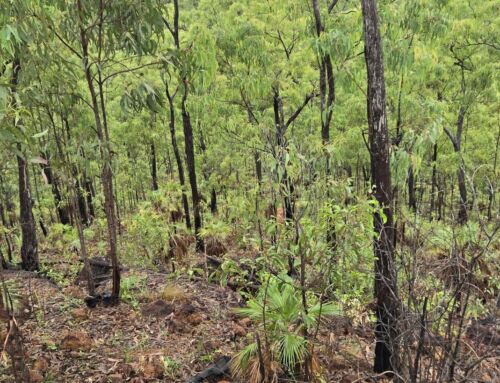

Arriving on Aotea for the first time, there is an immediate sense that this is a place that moves at a different rhythm. The scale of the landscape, the remoteness, the absence of urgency, and the deep connection between people and whenua are palpable. It is a place that asks you to slow down, to listen, and to observe before forming any view about opportunity or potential.
Spending time earlier this year with Ngāti Rehua Ngātiwai ki Aotea, across both marae in the north of the island, reinforced that tourism here cannot be approached through a conventional visitor-economy lens. The conversations were not framed around growth, numbers, or products, but around values: care for whenua and moana, cultural authority, intergenerational responsibility, and the desire to protect what makes Aotea special. Any discussion of tourism sits within these wider aspirations, not alongside them.
What became clear is that the potential for a visitor economy on Aotea is not about doing more, but about doing what is right. There is opportunity for carefully curated, small-scale, high-value experiences that align with mana whenua aspirations—experiences grounded in story, place, and tikanga; experiences that educate visitors while reinforcing cultural pride and stewardship for future generations. This is not tourism as extraction, but tourism as an enabler of cultural continuity, employment pathways, and self-determination.
Equally important was the role of listening rather than prescribing. Our time on the island was about ascertaining what tourism could look like from Ngāti Rehua’s perspective—what feels appropriate, what does not, where the boundaries sit, and what success might mean beyond economic return. It highlighted that any future tourism pathway must be iwi-led, paced by the community, and supported by partners who understand that not all stories are for sharing, and not all places are for access.
Aotea has all the elements that today’s conscious travellers are seeking—remoteness, authenticity, nature, culture, and dark skies—but its greatest strength lies in the clarity of Ngāti Rehua’s values and aspirations. The opportunity is not to shape Aotea to fit tourism, but to allow tourism, in whatever form Ngāti Rehua choose, to fit Aotea.