
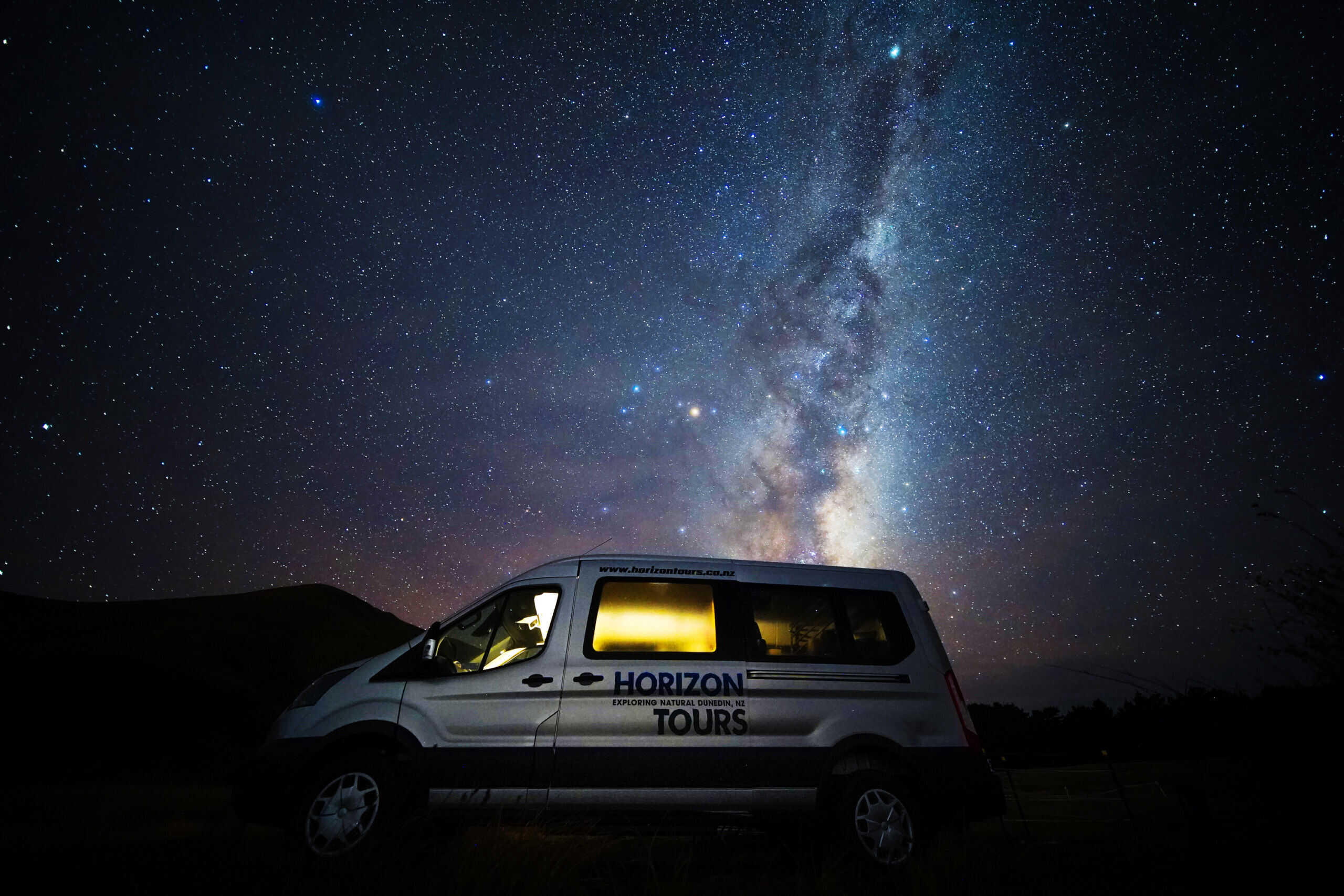

For most of human history, the night sky was our map, our calendar, our storybook and our teacher. Today, for much of the world, it’s something we’ve almost lost – washed out by artificial light and busy lives. And yet, just as darkness has become rarer, our collective fascination with the night sky has never been stronger.
Across the globe, stargazing is emerging as a powerful driver of tourism – not just as a niche activity, but as a cornerstone of the growing night-time economy. From remote outback regions and island destinations to urban landscapes and cultural centres, communities are rediscovering the value of darkness and the experiences it enables.
Stargazing as a Tourism Opportunity
Stargazing tourism offers something increasingly rare in a crowded global market: stillness, awe, perspective and connection. It encourages visitors to slow down, stay longer, and engage more deeply with place – extending visitation beyond daylight hours and traditional peak seasons.
Well-designed night-sky experiences can:
- Support regional dispersal and shoulder-season travel
- Increase length of stay and yield
- Create low-impact, high-value tourism opportunities
- Complement nature-based, cultural and wellness experiences
- Strengthen community pride and stewardship of local environments
Importantly, stargazing tourism is not just about telescopes and star charts. At its best, it is about storytelling — scientific, cultural and environmental — and about reconnecting people with landscapes after dark.
Supporting Regions at Different Stages of the Journey
Around the world, destinations are engaging with the night sky in different ways and at different stages of maturity. Some are pursuing formal Dark Sky accreditation, recognising the environmental, cultural and economic benefits that come with protecting darkness. Others are earlier in the journey – exploring how to build authentic stargazing experiences, manage light responsibly, or understand whether accreditation is the right pathway for them.
Our work spans this full spectrum. We support regions that are:
- Exploring Dark Sky Reserve, Park or Community status
- Strengthening existing stargazing and night-time experiences
- Identifying and assessing suitable locations for stargazing infrastructure
- Planning observatories, planetariums and visitor experience centres
- Integrating night-sky experiences into broader destination strategies
Each place is different, and there is no one-size-fits-all solution. Successful night-time tourism is grounded in local context – landscape, climate, access, culture and community aspirations.
A Collaborative, Place-Led Approach
Developing meaningful stargazing experiences requires collaboration across many layers. We work alongside central and local government agencies, regional tourism organisations, Indigenous groups, land managers, scientists, designers and individual operators – often bringing these voices together for the first time.
Indigenous knowledge and cultural astronomy are particularly important. In many destinations, the night sky holds deep cultural meaning, passed down through stories, songlines and seasonal knowledge. Respectful engagement, cultural authority and appropriate storytelling are essential to ensuring night-sky tourism is not only compelling, but culturally grounded and ethically delivered.
Equally, working with operators on the ground is critical – helping translate big ideas into practical, viable experiences that fit their business models and local conditions.
Looking Ahead
As destinations grapple with climate change, overtourism and shifting visitor expectations, the night-time economy offers a compelling opportunity to do things differently. Stargazing is low-impact, adaptable, and deeply aligned with values of conservation, learning and wellbeing.
Protecting darkness is no longer just an environmental issue – it is an economic, cultural and community one. The night sky, when thoughtfully cared for and shared, has the power to transform destinations and reconnect visitors with something profoundly universal.
In a world that feels increasingly noisy and bright, perhaps the future of tourism lies, in part, in the quiet wonder of looking up — together — after dark.